June 13, 2025
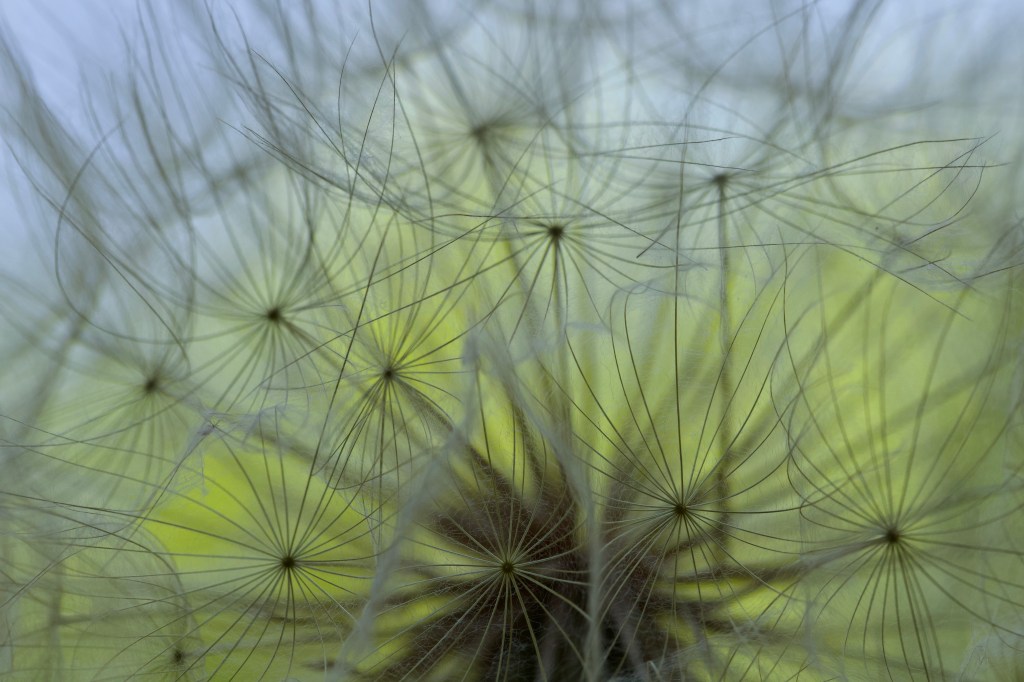
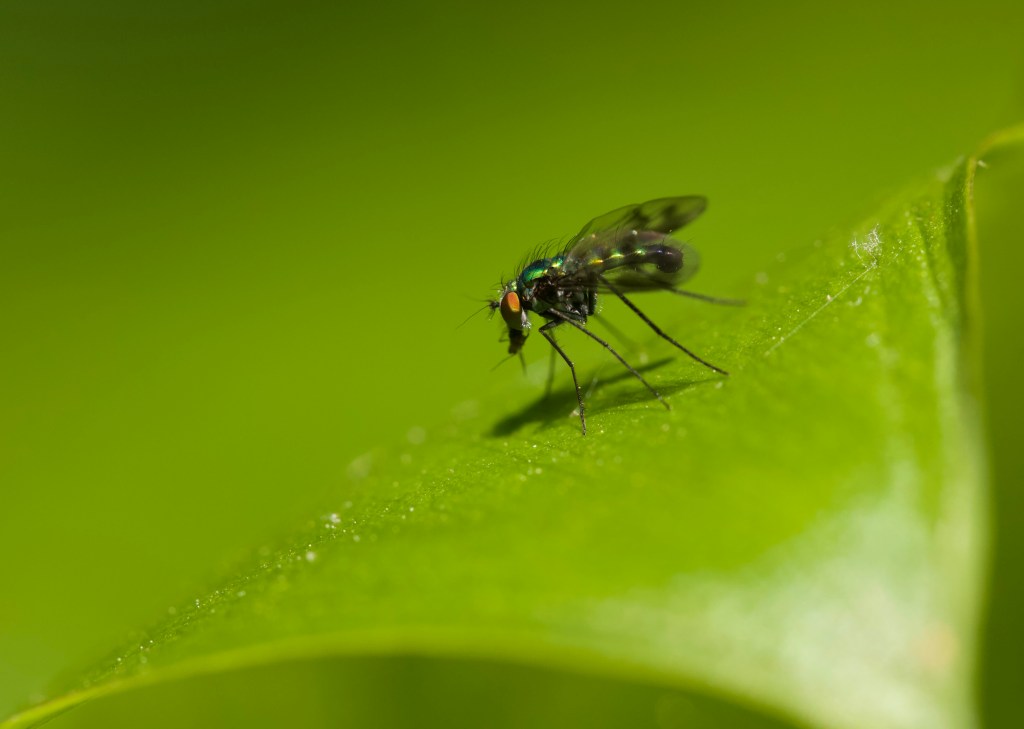
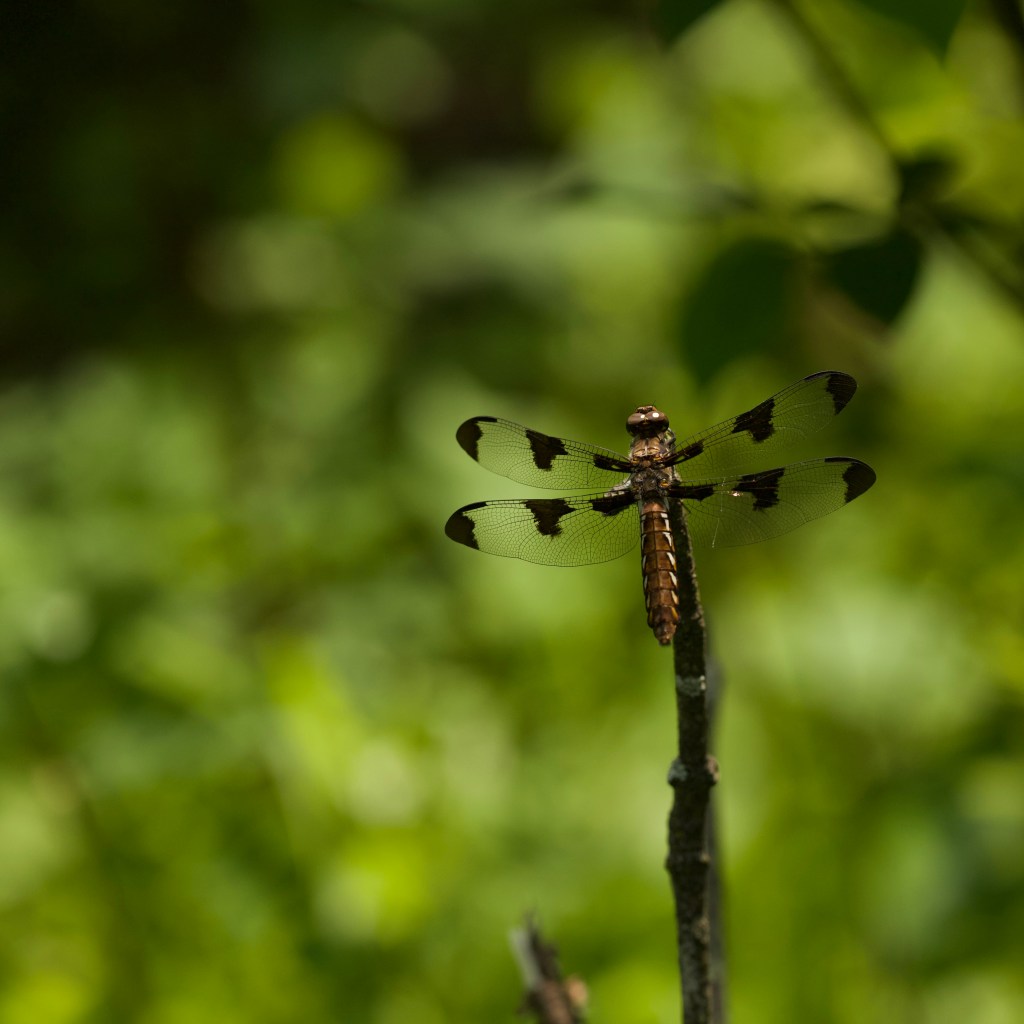
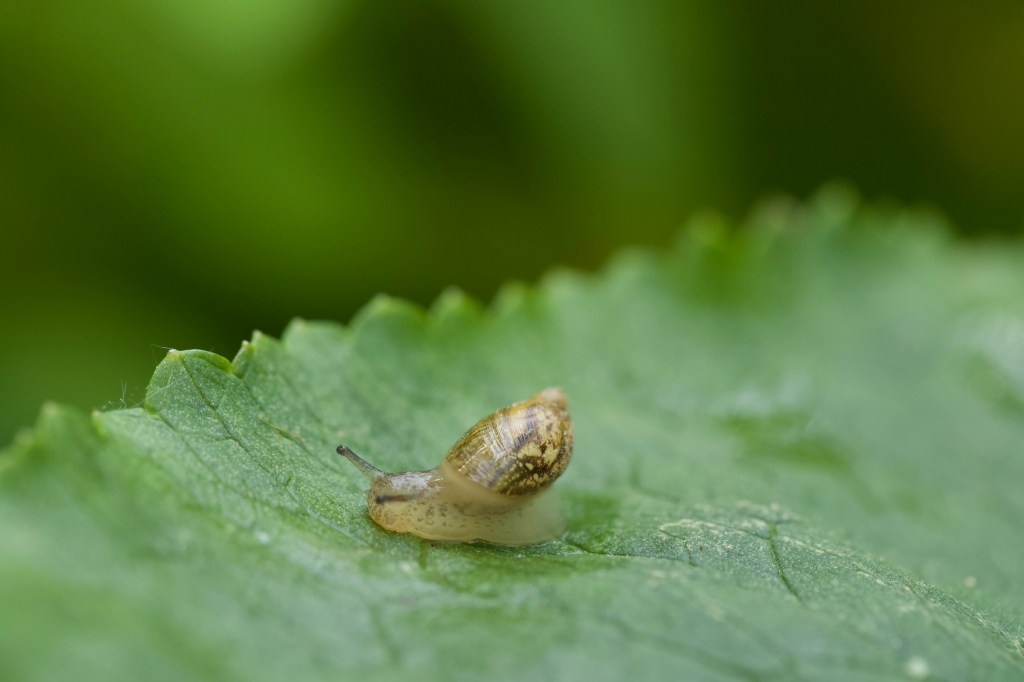
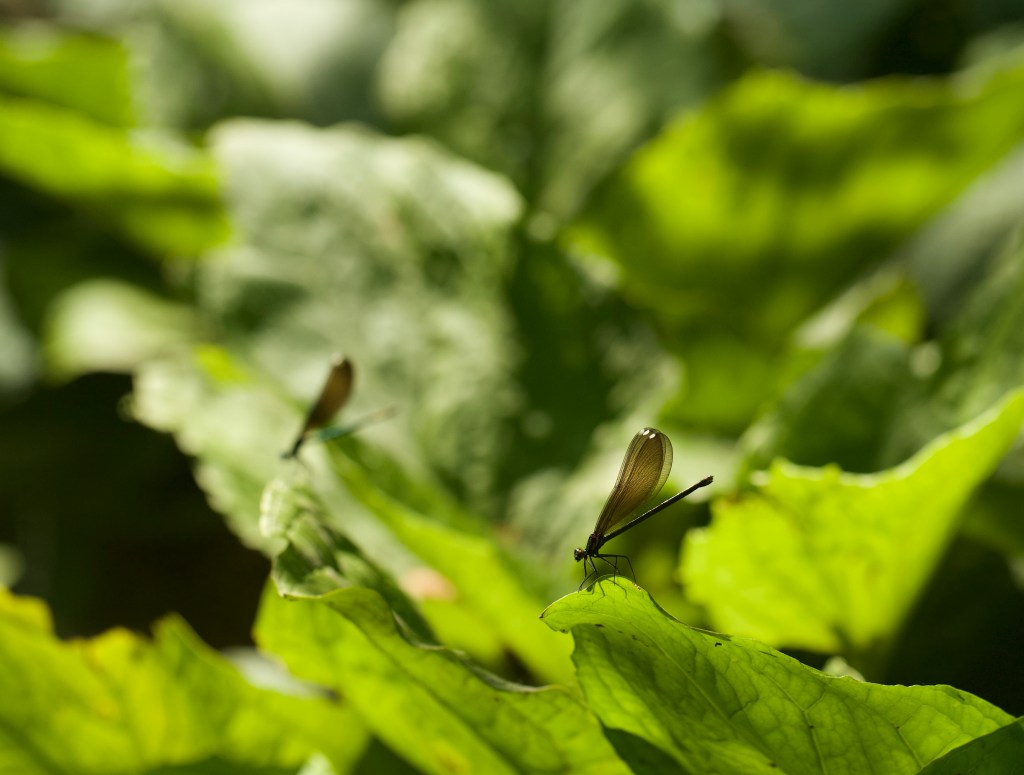
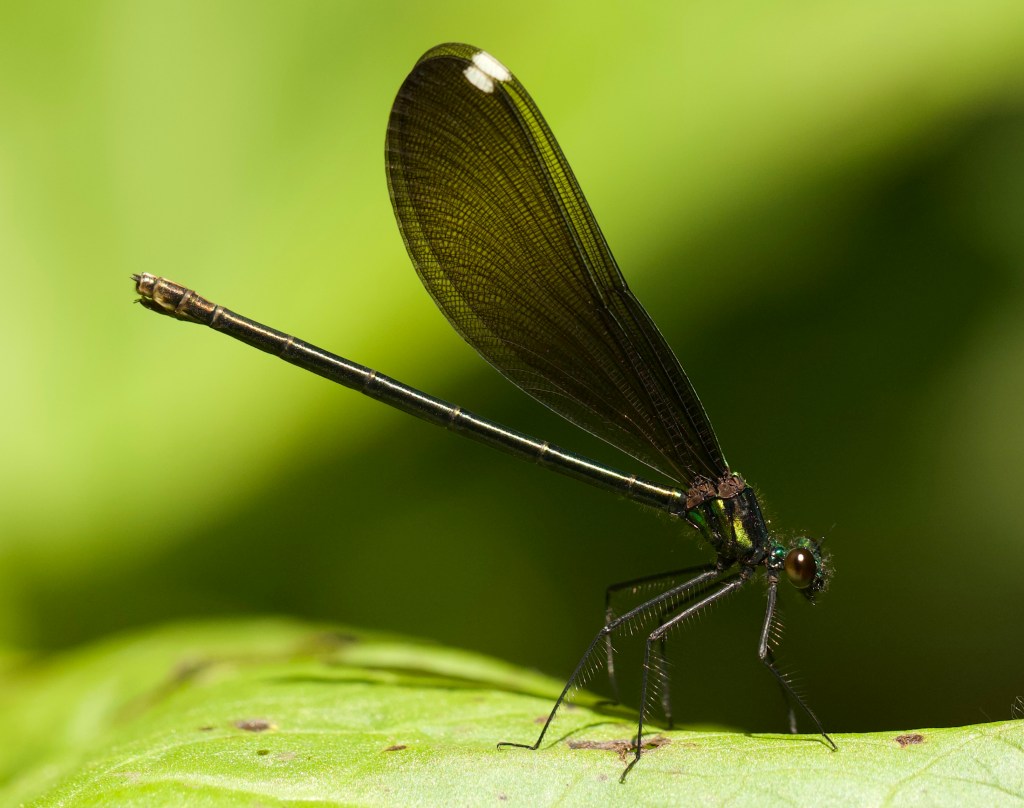
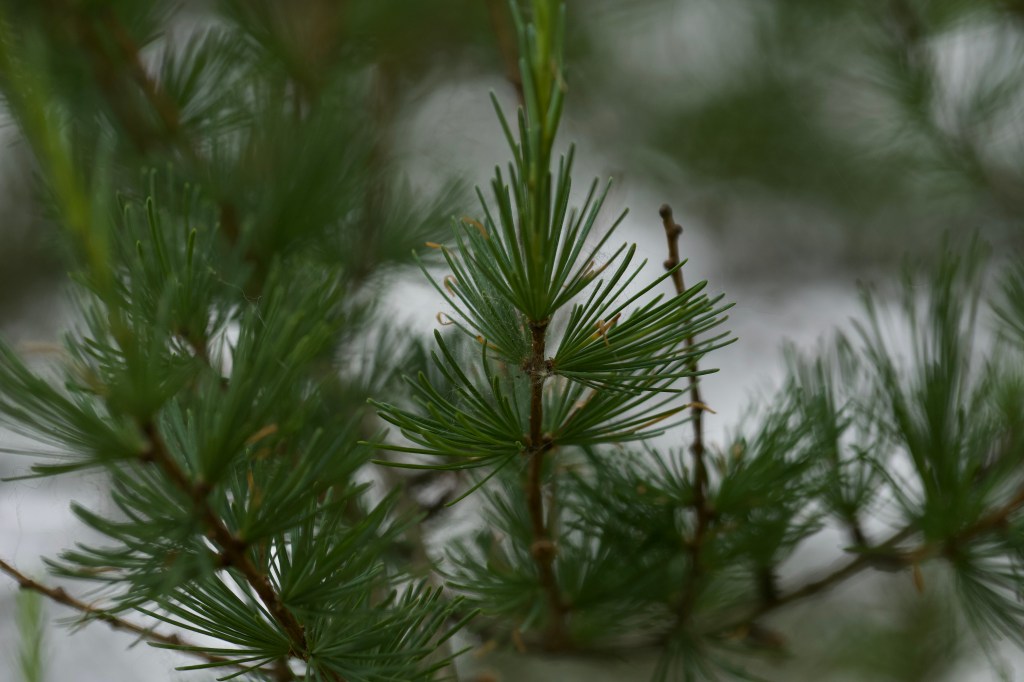
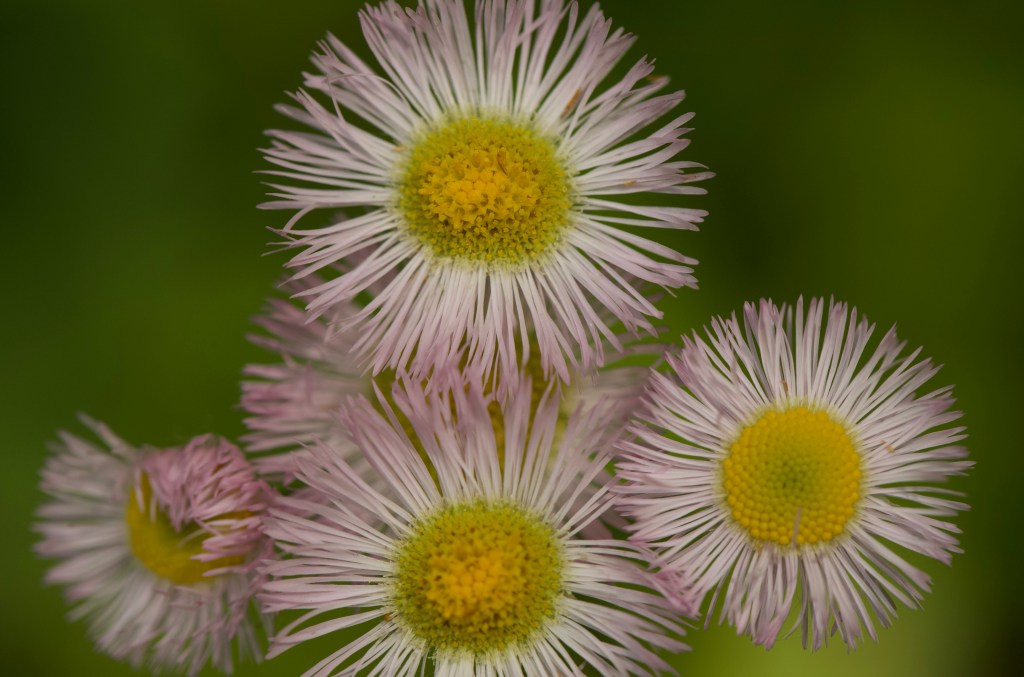
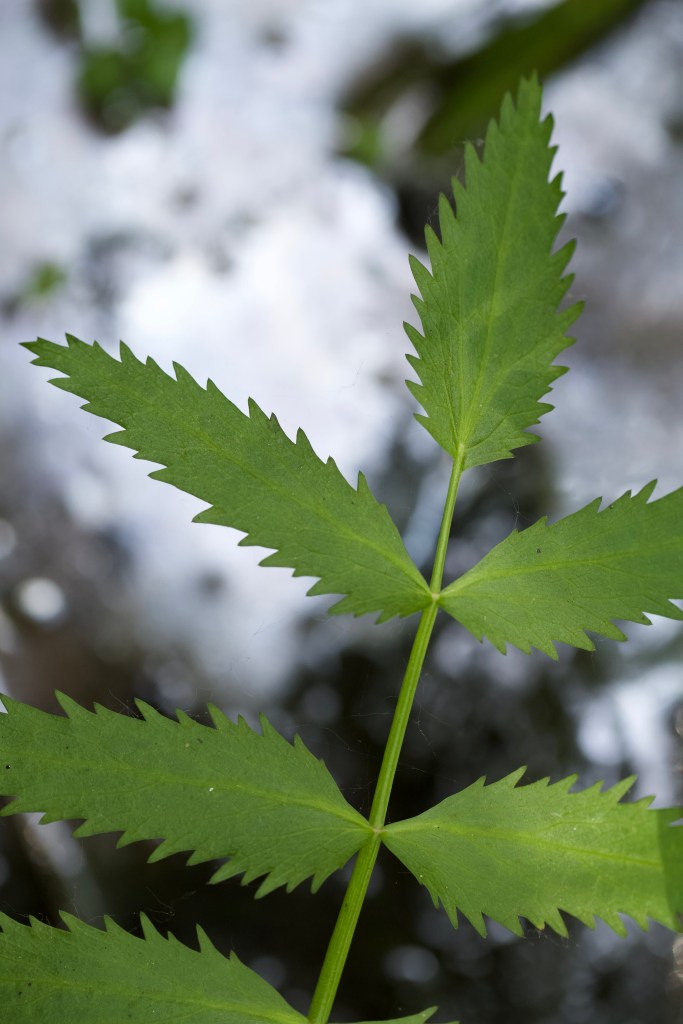
In this very first installment of the Carbonic Vidette, I’ll be sharing some scenes of the small world. The photos are plucked from the gardens around my and my brother’s houses, from Kalamazoo’s Kleinstuck Preserve and the Sarett Nature Center in Benton Harbor. These images of tiny things are both an artistic inquiry and one of the ways in which I try to uncover the natural history of these places.
The words “Natural History” may bring to mind fading taxidermy specimens, a wolverine eternally frozen in a desiccated snarl; or foxed pages from dusty library tomes. My hope with this week’s posting is to help you to see natural history with fresh eyes, and as an opportunity to deepen your sensory and intellectual engagement with the world that surrounds you. Although traditionally practiced within an academic and scientific context, natural history is fed by the same springs that nourish the arts; and it is a natural extension of how we investigate our surroundings as children. Let’s start by defining terms:
“Natural history can be broadly defined as the search for and description of patterns through direct observation of the natural world. This encompasses organisms, physical materials, and environments, as well as the processes that govern and generate them. Natural history research may be exploratory or involve direct hypothesis testing. In either case, it relies primarily on observational data collected directly from those sources as they exist in situ, without experimental manipulation.”
From: Nanglu, Karma, et al. “The nature of science: The fundamental role of natural history in ecology, evolution, conservation, and education.” Ecology and Evolution 13.10 (2023): e10621.
I’m interested in capturing visual details, patterns and combinations of color, as artistic nourishment. At other times I’m intrigued by the natural history that I happen upon. Having lived away from Michigan for most of my adult life, much of what I find with my camera is new to me. oI’m not especially knowledgable about the flora and fauna that I encounter. For example, after photographing it, I had to do a little research to figure out that this flower is a native iris, Iris brevicaulis.
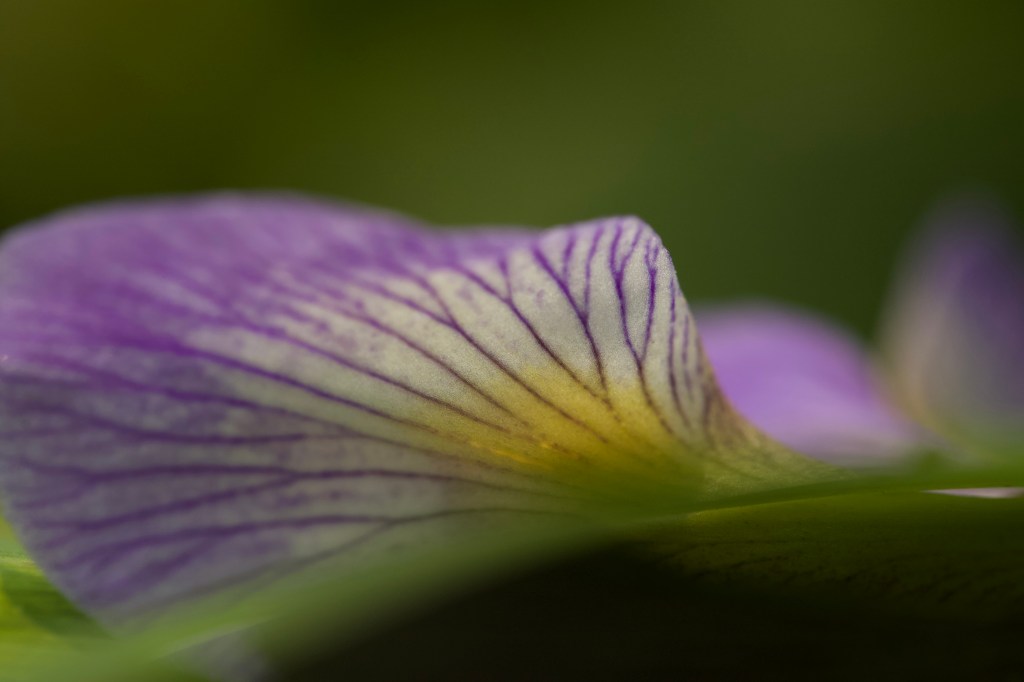
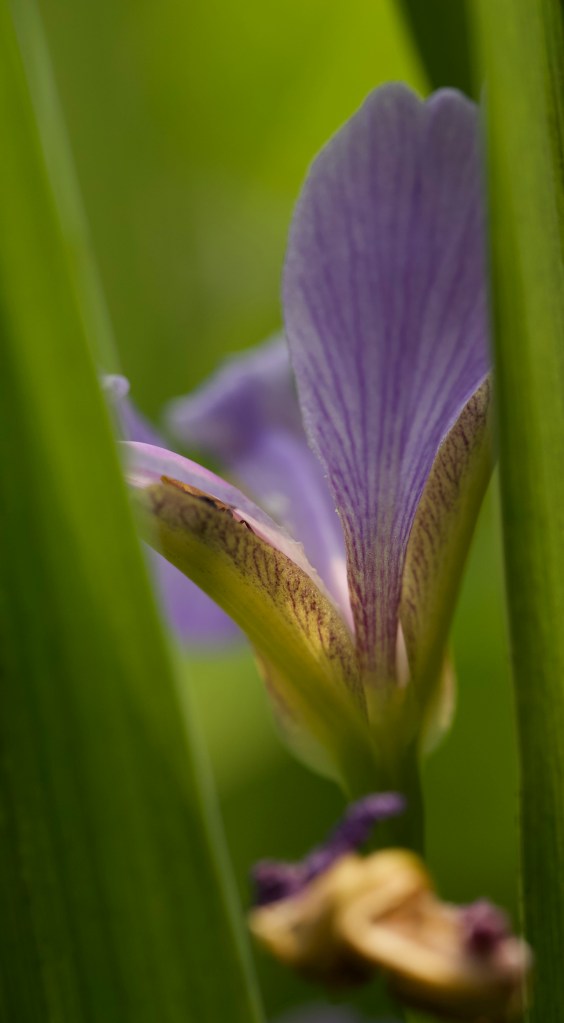
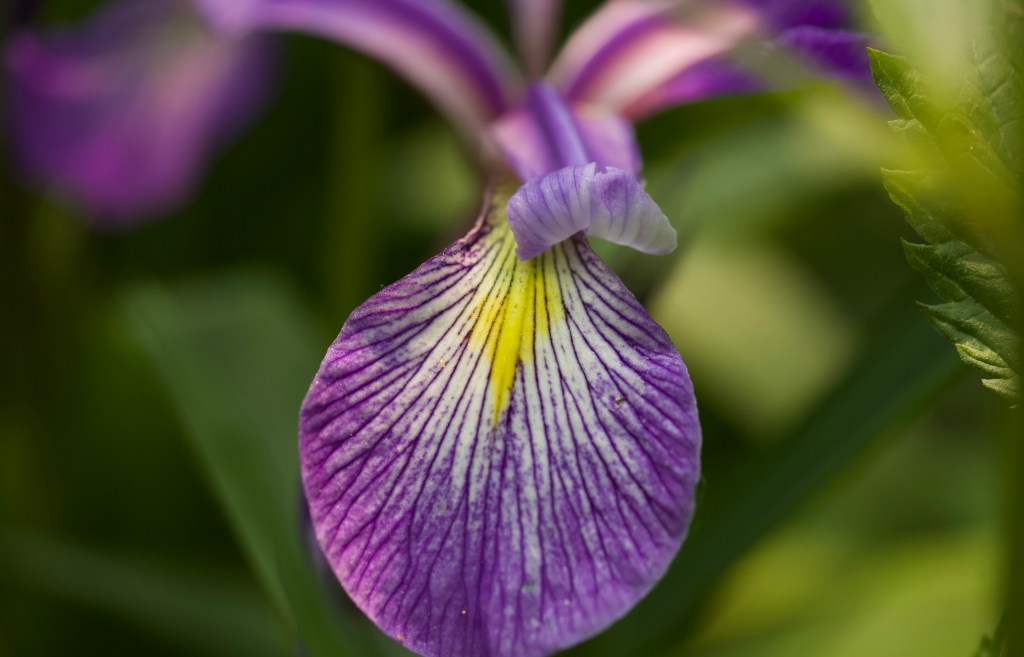
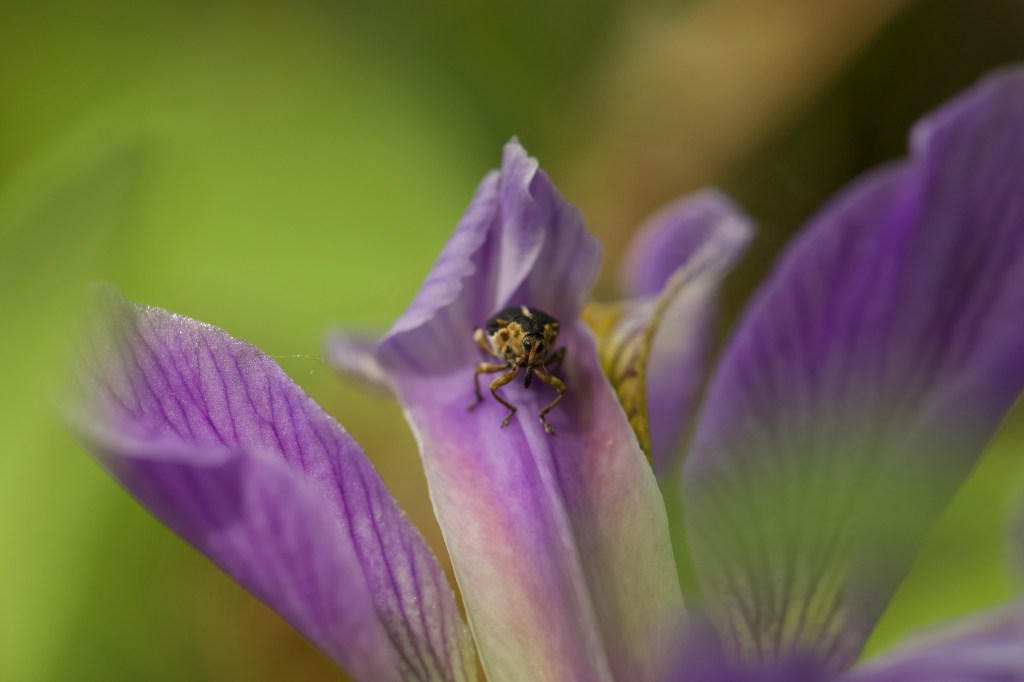
Sometimes when you find the iris, it turns out that you also find the iris weevil, Mononychus vulpeculus. As with the iris itself, I was unfamiliar with the weevil until I found it with my camera. One thing that I appreciate about the small world is its general indifference to the world of human happenings. The iris is in many ways this weevil’s entire universe. As an adult, it feeds on the flowers (poisonous to humans). Then it punctures the iris’ seed pods later in the season to lay its eggs. The weevil larvae’s first home and food source is the interior room of this seed pod. This weevil, although very enthusiastic about flower petals, expressed no interest in politics or the price of eggs.
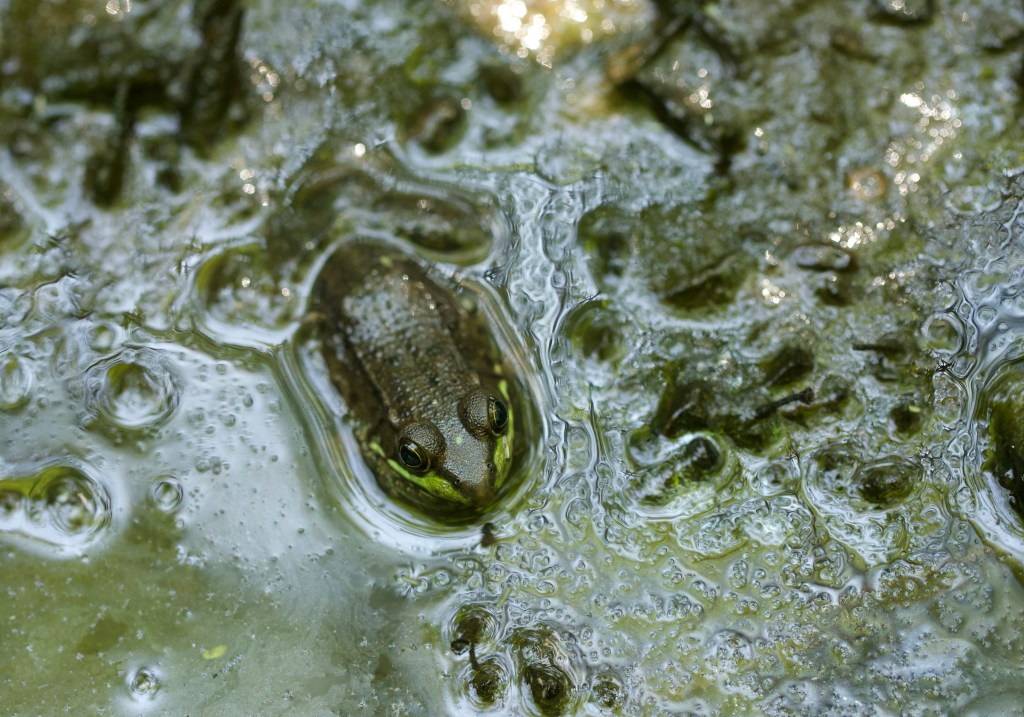
Here, I’m as much interested in the aesthetic qualities of the scene as I am with the ecological processes it reveals. I like the texture created by the shine of hydrocarbons on the surface of the water, and how that mirror is bent and disrupted by emerging methane bubbles, algae, frog and muck.
 Hilltop Vole Brigade and their Carbonic Vidette